

A major gaming controversy is exploding online after Riot Games responded to backlash surrounding its Vanguard anti-cheat system — with players arguing the software may be going too far in the fight against cheating.
The drama began after Riot celebrated a recent anti-cheat update that rendered expensive DMA cheating devices unusable, posting:
“Congrats to the owners of a brand new $6k paperweight.”
The comment immediately spread across gaming communities and reignited one of the internet’s most divisive debates:
How much control should anti-cheat software really have over a player’s PC?

Why Players Are Angry
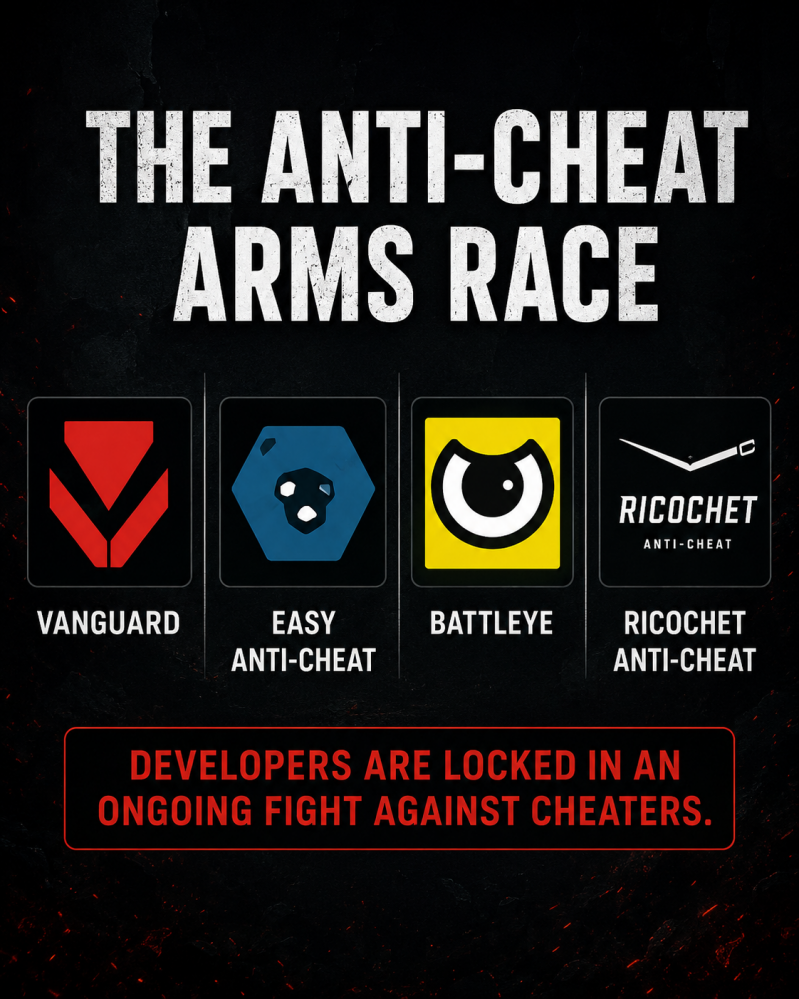
The backlash centres around Riot’s Vanguard system, used in games including VALORANT.
Vanguard operates at a very deep system level, allowing it to detect advanced cheating tools that traditional anti-cheat systems often miss.
After Riot revealed that a recent update effectively disabled high-end DMA cheating devices, some players began claiming Vanguard was “bricking hardware.”
That accusation spread rapidly across Reddit, X, YouTube, and gaming forums.
Riot Responds Directly
As the controversy grew, Riot publicly pushed back against the claims.
The company stated:
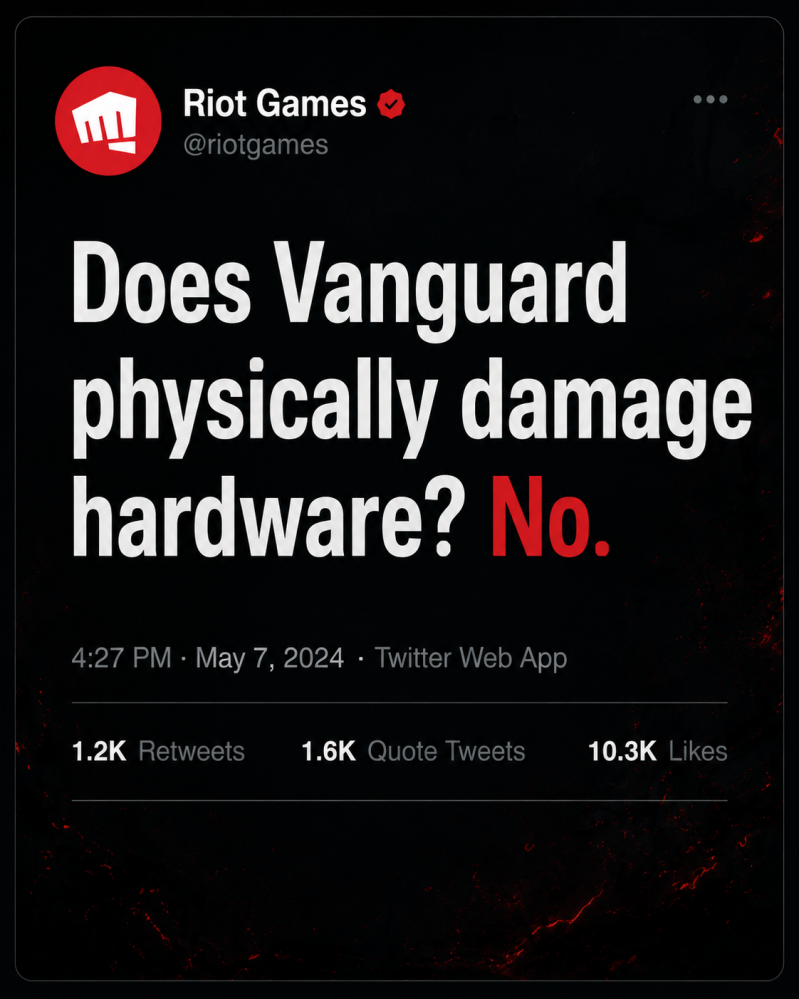
“Does Vanguard physically damage hardware? No.”
Riot explained that the affected devices only stop functioning because security protections required to play Riot games now prevent those cheating tools from operating correctly.
The studio insists:
- PCs are not being damaged
- Normal players are unaffected
- The changes specifically target DMA cheat hardware
The Community Is Deeply Divided
Not everyone is upset.
Many competitive players have actually praised Riot's aggressive stance against cheating.
One player wrote:
“If someone spent thousands on cheating hardware, I genuinely don’t care.”
Others were less convinced:
“Anti-cheat should never have this much access to a system.”
The argument has rapidly turned into a wider discussion about privacy, security, and how far developers should go to stop cheating.

Why This Is Such a Big Story
Cheating has become one of the biggest issues facing competitive gaming.
Developers are under constant pressure to:
- Protect ranked integrity
- Stop hardware cheats
- Maintain fair matchmaking
But increasingly aggressive anti-cheat systems are also raising concerns about:
- Privacy
- System access
- Kernel-level software
- Player trust
That balance is becoming harder to maintain.
The Bigger Picture
What started as a victory lap from Riot has now become one of gaming’s hottest discussions.
Because this isn’t really just about cheating anymore.
It’s about a question the entire industry is starting to face:
How much control should a game have over your computer in order to keep competition fair?
Add comment
Comments