

When Highguard appeared as the final reveal at The Game Awards in December 2025, it was positioned as one of the next big multiplayer shooters. The reveal trailer closed the show, traditionally a spot reserved for major upcoming titles, and presenter Geoff Keighley described it as a project from a team of veteran developers who had previously worked on games like Apex Legends and Titanfall.
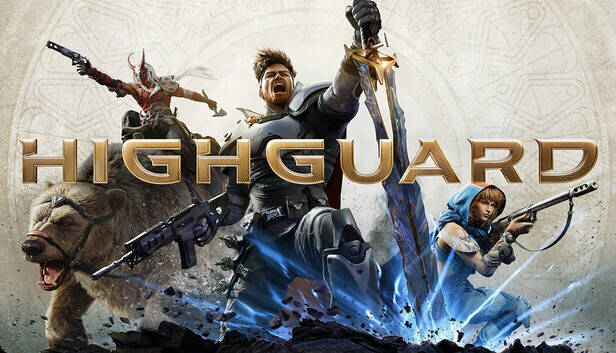
Just three months later, the story has taken a very different turn.
Developer Wildlight Entertainment has confirmed that the game’s servers will shut down permanently on March 12, 2026, bringing an abrupt end to a multiplayer title that launched only 45 days earlier.
For a game that once closed one of the industry’s biggest events, the speed of its collapse has left many players stunned.
A Shooter Built by Industry Veterans
Highguard was developed as a team-based hero shooter featuring squad-based combat and destructible environments, powered by Unreal Engine 5.
Players took on the role of “Wardens,” competing in fast-paced PvP matches combining elements of hero shooters and raid-style gameplay.
The game officially launched on January 26, 2026 for PlayStation 5, Xbox Series X/S and PC, with a roadmap promising episodic content and future updates throughout the year.
At first, the launch looked promising. The game attracted nearly 100,000 concurrent players on Steam, suggesting that curiosity around the new shooter was strong.
But the excitement didn’t last long.

A Rapid Decline in Player Numbers
Within days of launch, player numbers began to fall dramatically. Reports indicated that the game lost around 90% of its peak player count within the first week, raising alarm among both players and developers.
While the game still reached more than two million players overall, the studio ultimately concluded it could not build the long-term community needed for a live-service title.
In a statement announcing the shutdown, Wildlight said:
“We have not been able to build a sustainable player base to support the game long term.”
The announcement confirmed that the final update would arrive shortly before the servers go offline.
Layoffs and Development Struggles
Trouble behind the scenes became visible shortly after launch.
In February, reports surfaced that most of the development team had been laid off, leaving only a small group of developers to maintain the game.
Industry observers noted that the layoffs came just weeks after release—an unusually short timeframe for such drastic changes.
Some reports suggested that the studio’s primary financial backer had withdrawn support, placing additional pressure on the project.
Combined with declining player numbers, the situation created uncertainty about the game’s future long before the shutdown announcement.
A Final Update Before the End
Despite the difficult news, the developers are releasing one final update before the servers close.
The update will introduce a new playable Warden, a weapon called “The Switchback,” skill tree improvements and account progression systems, giving players one last chance to experience new content before the game disappears entirely.
Wildlight has encouraged players to return for a final set of matches before the servers shut down.
The “Live-Service Problem”
The collapse of Highguard has sparked wider discussion across the gaming industry.
In recent years, live-service multiplayer games have become increasingly risky ventures. While successful titles like Fortnite and Apex Legends generate massive player bases, many new competitors struggle to attract enough players to survive.
Industry analysts say the market has become saturated with similar games, making it difficult for new titles to break through.
Some commentators have even begun referring to this trend as the “two-month lifespan shooter” phenomenon, referencing multiple online games that shut down shortly after release.
What Happens Next?
For players who enjoyed Highguard, the shutdown is a disappointing end to a game that had ambitious plans for future seasons and updates.
For the industry, it serves as another reminder of how difficult the live-service model can be—even for studios staffed by experienced developers.
When Highguard debuted at The Game Awards, it appeared to be the beginning of a new franchise.
Instead, it has become one of the shortest-lived multiplayer releases in recent memory.