

From blockbuster titles to indie projects, developers are increasingly introducing diverse LGBTQ characters and stories.
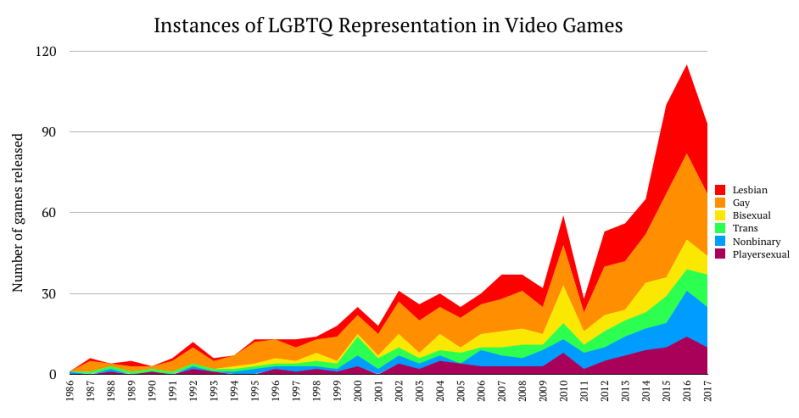
Representation of LGBTQ characters in video games has increased significantly in recent years, with developers introducing more diverse protagonists, relationships and storylines across both independent titles and major blockbuster releases.
According to research from the International Game Developers Association (IGDA), around 23% of developers identify as LGBTQ+, a number that has gradually increased over the past decade. The organisation says greater diversity among developers has contributed to more inclusive storytelling in games.
Mainstream Games Leading the Shift
Several high-profile games released in recent years have featured LGBTQ characters as central parts of their narratives.
One of the most widely discussed examples is The Last of Us Part II, which follows protagonist Ellie, a lesbian character navigating both survival and relationships during the story.
Creative director Neil Druckmann said the development team wanted to reflect a wider range of experiences.
“Representation matters. Players should be able to see themselves reflected in the stories we tell,” Druckmann said in an interview discussing the game’s narrative direction.
Meanwhile, role-playing games have also embraced inclusive relationship systems. The award-winning RPG Baldur's Gate 3 allows players to pursue relationships with characters regardless of gender identity, a feature praised by many fans for its flexibility and representation.
Developer Larian Studios has said its goal was to create characters who feel authentic rather than limiting romance options to specific player identities.
Independent Studios Highlight Queer Stories
While large studios have increasingly embraced representation, independent developers have often led the way in exploring LGBTQ themes.
Narrative adventure Tell Me Why features one of the first transgender protagonists in a major studio release. The character Tyler Ronan was developed in consultation with LGBTQ advocacy group GLAAD to ensure the portrayal was respectful and accurate.
Similarly, indie game If Found... tells the story of a transgender woman reconnecting with her past while exploring identity, relationships and belonging.
Growing Industry Recognition
LGBTQ representation in gaming is increasingly recognised through dedicated awards and showcases.
Events such as the Gayming Awards celebrate games that feature meaningful LGBTQ characters or are created by queer developers.
Organisers say the awards aim to highlight the impact of inclusive storytelling within gaming culture.
A Changing Industry
Despite the progress, advocates say there is still room for improvement in how LGBTQ characters are portrayed in mainstream games.
Industry analysts note that while representation has improved, LGBTQ characters are still underrepresented compared to the diversity of gaming audiences worldwide.
However, with new showcases, awards and developer initiatives emerging each year, many believe the industry is continuing to move toward broader representation and more inclusive storytelling.